1. Why Indian Industries Are Switching Away from Diesel and LPG in 2026
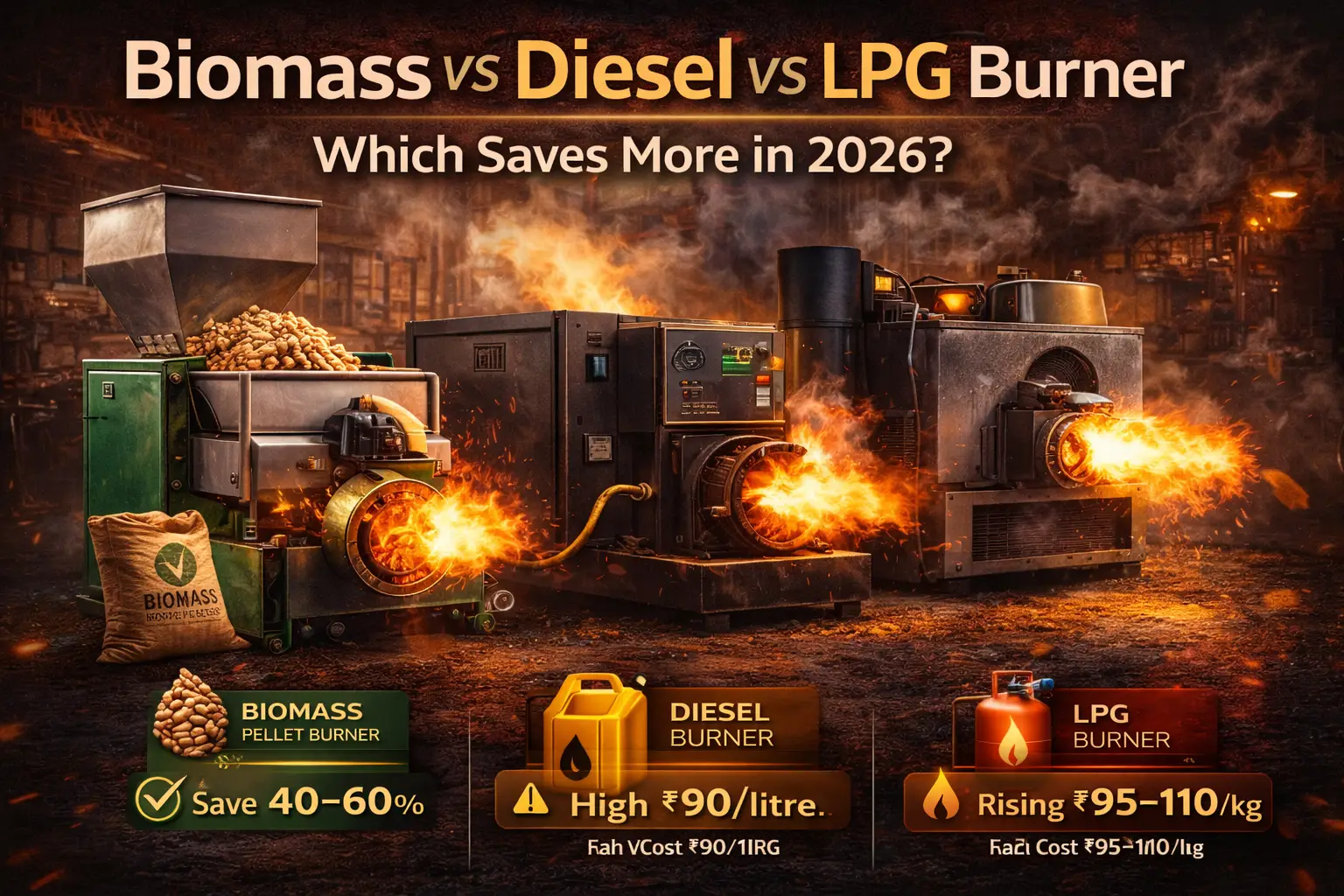
The rising cost of fossil fuels is not a new problem, but it has reached a critical point for Indian manufacturers. Here is what is driving the switch :
- • Diesel prices in Maharashtra currently range from ₹88–₹95 per litre — a 45% increase over the past five years
- • Commercial LPG cylinder prices are hovering around ₹1,800–₹2,100 for a 19 kg cylinder
- • CPCB and MPCB pollution norms are tightening — industries using diesel and coal-fired systems face increased scrutiny and penalties
- • India's biomass co-firing mandate (5–7% biomass in thermal power plants from FY 2025-26) has dramatically increased biomass pellet availability, driving pellet prices down and making supply chains more reliable
- • Biomass wood pellets are currently priced at ₹7–₹12 per kg across Maharashtra, offering equivalent or superior heat output at a fraction of the per-unit energy cost of diesel or LPG
The economics are compelling. But to understand exactly how compelling, we need to look at a side-by-side cost comparison.
2. Cost Comparison: Biomass Wood Pellet Burner vs Diesel Burner vs LPG Burner
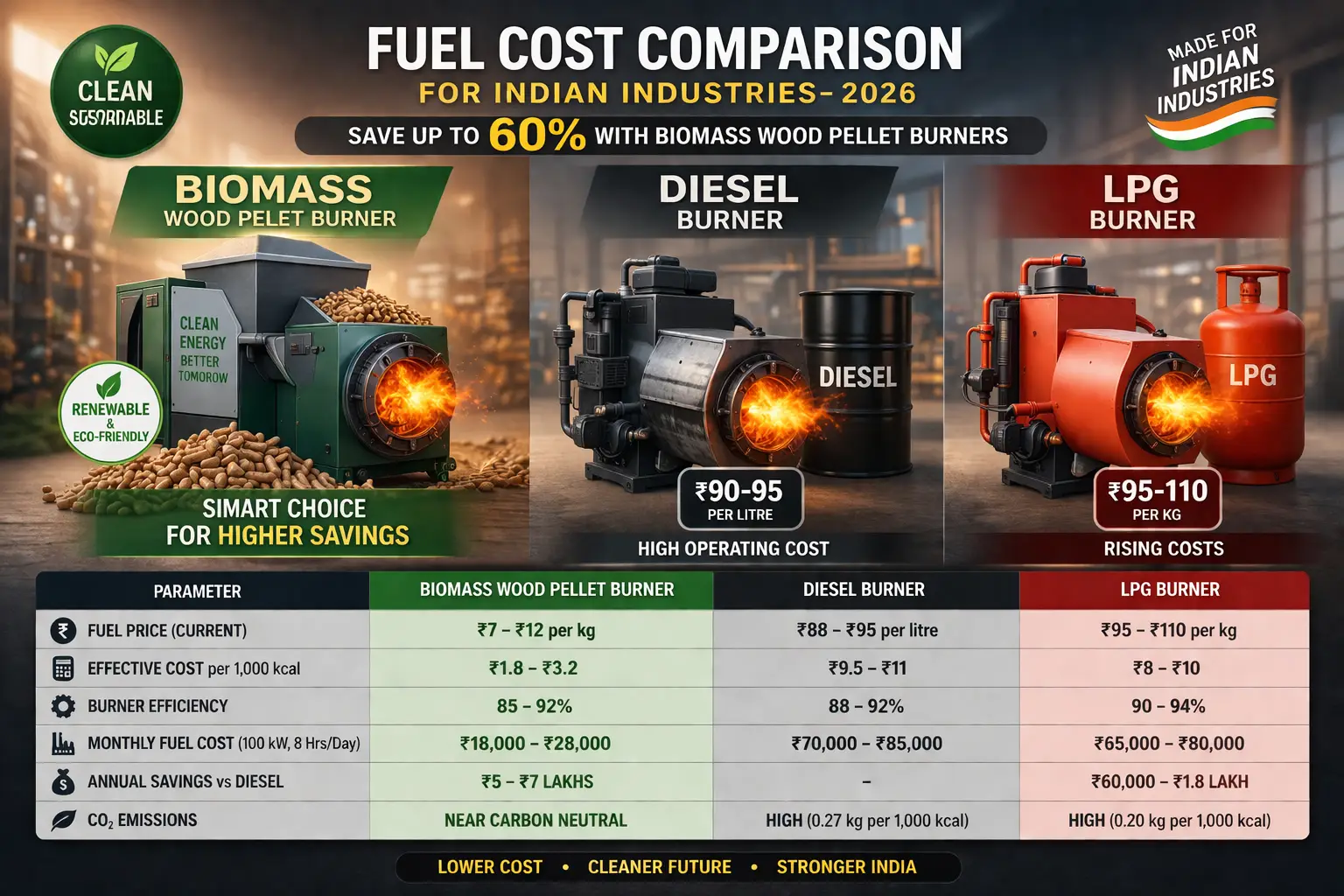
The table below compares the three most common industrial heating fuels used in Maharashtra and India, based on real-world operating data in 2026.
| Parameter | Wood / Agro-Waste Pellets | High-Speed Diesel (HSD) | Liquefied Petroleum Gas (LPG) |
|---|---|---|---|
| Current fuel price | ₹7–₹12 per kg | ₹88–₹95 per litre | ₹95–₹110 per kg |
| Calorific value | 3,800–4,500 kcal/kg | 8,600–9,200 kcal/litre | 11,000–11,900 kcal/kg |
| Effective cost per 1,000 kcal | ₹1.8–₹3.2 | ₹9.5–₹11 | ₹8–₹10 |
| Burner efficiency | 85–92% | 88–92% | 90–94% |
| Monthly fuel cost (100 kW unit, 8 hrs/day) | ₹18,000–₹28,000 | ₹70,000–₹85,000 | ₹65,000–₹80,000 |
| Monthly fuel savings vs diesel | ₹42,000–₹57,000 | — | ₹5,000–₹15,000 |
| Annual fuel savings vs diesel | ₹5–₹7 lakhs | — | ₹60,000–₹1.8 lakh |
| CO₂ emissions (per 1,000 kcal) | Near carbon neutral | High (0.27 kg CO₂) | High (0.20 kg CO₂) |
| Fuel availability | Excellent (agri waste abundant) | Good (petrol pump network) | Good (dealer network) |
| Automation | Fully automatic feed | Fully automatic | Fully automatic |
| Payback period on burner investment | 10–18 months | — | — |
The data makes it clear: the effective cost per 1,000 kcal of heat from a biomass wood pellet burner is 3–5 times lower than diesel or LPG. For an industry running a 100 kW burner for 8 hours a day, that translates to annual savings of ₹5–₹7 lakhs — money that goes directly back into the business.
3. How Does a Biomass Wood Pellet Burner Work ?
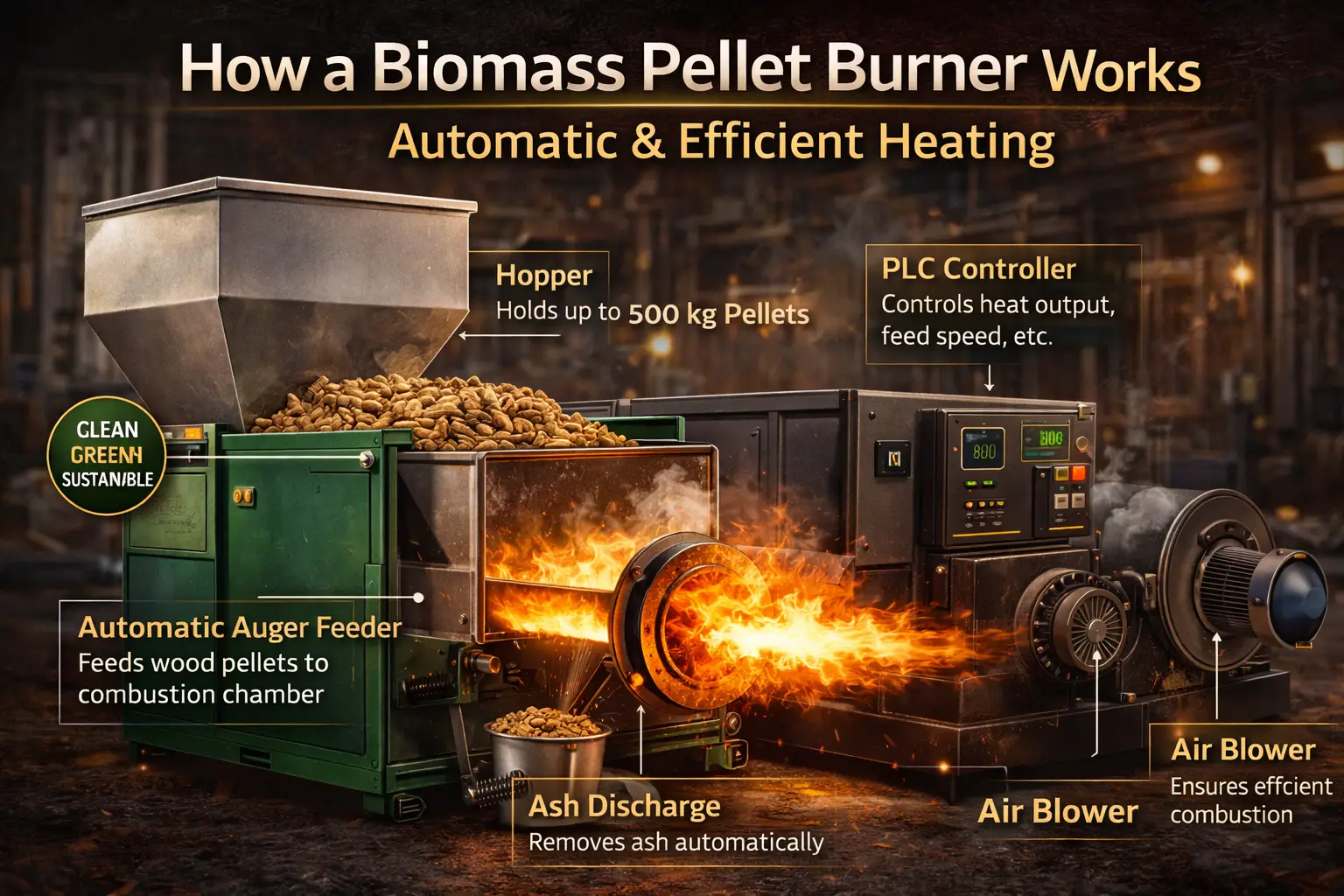
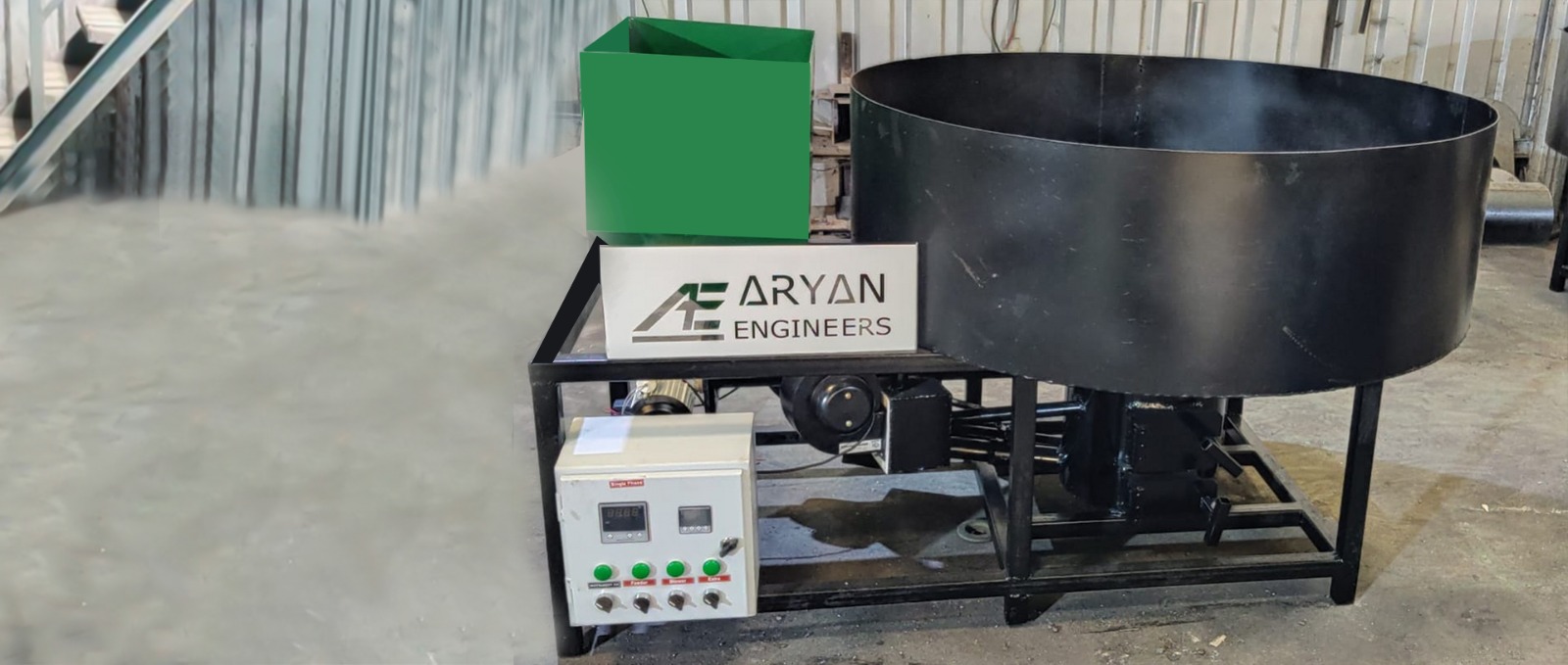
A biomass wood pellet burner is a fully automated combustion system that burns compressed wood pellets to generate industrial-grade heat. Understanding how it works helps you evaluate whether it is right for your application.
Key components of a biomass pellet burner :- Fuel hopper: Holds 50–500 kg of wood pellets, reducing manual loading to once or twice per shift
- Automatic auger feeder: A variable-speed screw conveyor feeds pellets into the combustion chamber at a controlled rate — no manual feeding required
- Combustion chamber: Engineered with refractory lining for complete, stable combustion at 800–1,100°C
- Air supply system: Primary and secondary air blowers ensure complete combustion and high thermal efficiency
- Digital thermostat / PLC controller: Automatically adjusts fuel feed and air supply to maintain the target temperature, reducing fuel waste
- Ash discharge system: Automatic or semi-automatic ash removal keeps the combustion chamber clean
A biomass wood pellet burner can be retrofitted to replace most existing fossil fuel burners including diesel burners, LPG burners, furnace oil burners, and LDO burners. In most cases, the burner is installed on the same heat exchanger or boiler with minimal civil modification — making the switch faster and more affordable than most industries expect.
For more details on the Aryan Engineers biomass pellet burner range, visit our Biomass Wood Pellet Burner
4. Industry-Wise Fuel Savings: Where Biomass Pellet Burners Save the Most

Different industries have different heat requirements. Here is how the savings break down across the most common applications in Maharashtra :
| Industry/Application | Existing Fuel | Current Monthly Fuel Cost | Pellet Fuel Cost | Monthly Savings |
|---|---|---|---|---|
| Namkeen / Farsan Machine | LPG / Diesel | ₹35,000–₹55,000 | ₹12,000–₹18,000 | ₹20,000–₹37,000 |
| Dal Mill Dryer | Diesel / Coal | ₹40,000–₹65,000 | ₹14,000–₹22,000 | ₹25,000–₹43,000 |
| Industrial Boiler (Steam) | Coal / Diesel | ₹80,000–₹1,50,000 | ₹28,000–₹50,000 | ₹50,000–₹1,00,000 |
| Textile / Dyeing Unit | Furnace Oil / Coal | ₹60,000–₹90,000 | ₹22,000–₹32,000 | ₹38,000–₹58,000 |
| Chemical / Pharmaceutical Plant | LPG / Diesel | ₹70,000–₹1,20,000 | ₹25,000–₹42,000 | ₹45,000–₹78,000 |
| Hotel / Commercial Kitchen | LPG / Diesel | ₹25,000–₹45,000 | ₹9,000–₹16,000 | ₹16,000–₹29,000 |
5. Biomass Wood Pellet Burner vs Diesel Burner : 6 Key Advantages
Dramatically lower fuel cost per unit of heat
As shown in the comparison table above, biomass pellets deliver heat at ₹1.8–₹3.2 per 1,000 kcal versus ₹9.5–₹11 for diesel. This 3–5x cost advantage is the primary reason industries are making the switch.
Fully automatic operation — no extra labour required
Modern biomass pellet burners from Aryan Engineers feature automatic auger feeding, digital temperature control, and auto-ignition. Once set up, a single operator can manage the burner as part of their normal responsibilities — just like operating a diesel or LPG burner.
Near carbon-neutral combustion
Biomass pellets are made from agricultural and wood waste that would otherwise be burned in open fields or dumped in landfills. When combusted in a pellet burner, the CO2 released is roughly equal to what the plant absorbed during its growth — making the net carbon footprint near zero. Diesel combustion, by contrast, releases carbon that was sequestered millions of years ago.
Pollution compliance and regulatory benefits
Maharashtra's MPCB (Maharashtra Pollution Control Board) has been tightening emission standards for industrial heating equipment. Biomass pellet burners produce significantly lower particulate matter (PM2.5), sulphur dioxide, and nitrogen oxide compared to diesel and coal — helping industries stay compliant and avoid penalties.
Reliable local fuel supply in Maharashtra
Maharashtra is one of India's largest producers of agricultural residues — sugarcane bagasse, cotton stalks, groundnut shells, and sawdust are all available in abundance. Biomass pellet suppliers across Pune, Nashik, Aurangabad, and Nagpur ensure consistent, year-round fuel supply at predictable prices — unlike diesel, which fluctuates with global oil markets.
Fast return on investment
The upfront cost of a biomass pellet burner is typically recovered within 10–18 months through fuel savings alone. After payback, every rupee saved on fuel is pure profit for the business.
To understand the complete pellet production side, read our article on Heating with a Wood Pellet Burner — Efficiency, Sustainability, and Smart Manufacturing.
6. Is Switching from Diesel to a Biomass Pellet Burner Complicated?
This is one of the most common questions we receive at Aryan Engineers. The honest answer is: no — it is simpler than most industries expect :
- Most biomass pellet burners can be installed on your existing boiler, furnace, or heat exchanger without major civil work
- The installation typically takes 1–3 days depending on the capacity and application
- Aryan Engineers provides full installation support and operator training at your facility in Pune and Maharashtra
- Pellet storage requires a dry covered area — a standard 500 kg hopper stores about 1–2 days of fuel for a medium-sized unit
- Maintenance is straightforward — weekly cleaning of the burn pot, monthly ash disposal, and annual service check
7. Licenses & Approvals Required to Start a Pellet Plant in India
Obtaining the correct clearances before starting production is essential to avoid legal complications.
- MSME/Udyam Registration - Register your business online at udyamregistration.gov.in. This is mandatory for accessing government subsidies.
- Factory License - Apply to your state's Labour Department under the Factories Act if your plant employs more than 10 workers.
- Pollution Control Board (PCB) Consent - Obtain Consent to Establish (CTE) and Consent to Operate (CTO) from the Maharashtra Pollution Control Board (MPCB) for Pune/Maharashtra-based plants.
- Fire Department NOC - Required due to the combustible nature of biomass raw materials.
- GST Registration - Biomass pellets attract 5% GST. Register on the GST portal before starting commercial sales.
- Electricity Connection - A 500 kg/hr plant typically requires 50–75 kW of 3-phase power. Apply through your local MSEDCL office in Maharashtra.
You can also explore our Comprehensive Guide to Wood Pellet Burners for detailed maintenance and operation guidance.
8. Aryan Engineers Biomass Wood Pellet Burner — Why Choose Us in Pune, Maharashtra
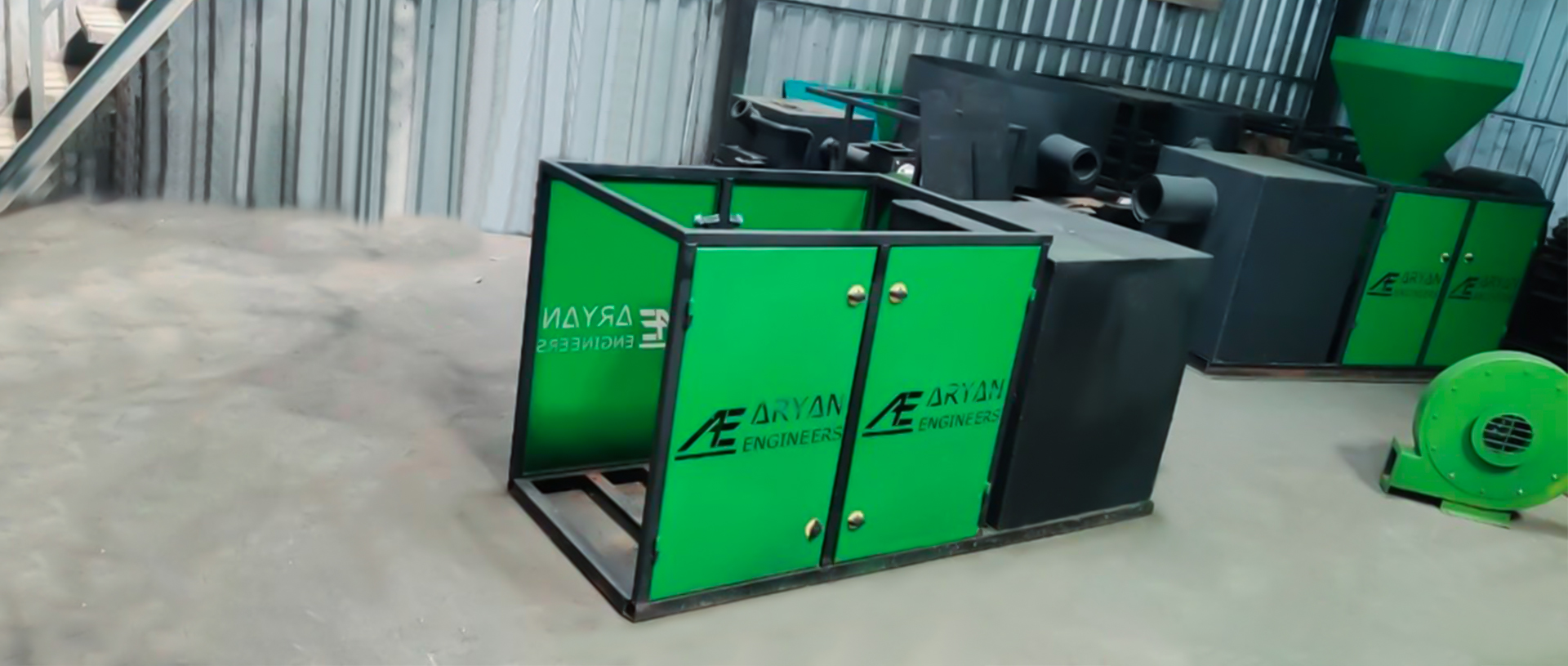
Aryan Engineers is a Pimpri Chinchwad, Pune-based manufacturer of both biomass wood pellet machines and biomass wood pellet burners — the only manufacturer in Maharashtra offering both products from one local source.
Local manufacturer advantage
Faster delivery, lower freight cost, and direct service support across Maharashtra.
Complete solution
if you want to produce your own pellets AND burn them, Aryan Engineers supplies both machines and burners.
Custom capacity
burners available from 50,000 kcal/hr to 10,00,000 kcal/hr to match any industrial requirement.
Proven across industries
installed in food processing, namkeen, dal mills, textile units, chemical plants, and boiler applications across Maharashtra.
Established since 2016
over 8 years of manufacturing experience in biomass energy equipment.
Frequently Asked Questions (FAQ)
These are the most commonly asked questions about setting up a biomass pellet plant in India.